Interior Design
Interior design is the art and science of enhancing the interior of a space to create a more aesthetically pleasing and functional environment. It involves the use of various elements such as color, texture, lighting, and furniture to transform a space into a personalized and inviting space. In this blog post, we will explore the world of interior design and how it can elevate your living space.
Keywords: interior design, home decor, design trends, interior styling, interior decorating
Subheadings:
1. The Importance of Interior Design
2. Understanding Design Styles
3. Color Psychology in Interior Design
4. Incorporating Texture and Patterns
5. The Role of Lighting in Design
6. Furniture Selection and Placement
7. Maximizing Space with Storage Solutions
8. Budget-Friendly Design Tips
9. Staying on Top of Design Trends
10. Hiring an Interior Designer vs. DIY
The Importance of Interior Design
Interior design is not just about making a space look pretty, it also plays a crucial role in our overall well-being. A well-designed space can improve our mood, productivity, and even our relationships. It is a reflection of our personality and can make a house feel like a home.
Understanding Design Styles
There are various design styles to choose from, such as modern, traditional, farmhouse, and more. It is important to understand your personal style and how it can be incorporated into your space. This will help create a cohesive and harmonious design.
Color Psychology in Interior Design
Colors have the power to evoke emotions and set the tone of a room. Understanding color psychology can help you choose the right colors for your space. For example, blue is known to promote calmness and relaxation, while yellow can bring energy and positivity.
Incorporating Texture and Patterns
Texture and patterns add depth and visual interest to a space. Mixing different textures, such as smooth and rough, can create a dynamic and inviting space. Patterns, on the other hand, can add personality and character to a room.
The Role of Lighting in Design
Lighting is an essential element in interior design as it can affect the mood and functionality of a space. Natural light is always the best option, but incorporating different types of lighting, such as ambient, task, and accent, can create a well-lit and inviting space.
Furniture Selection and Placement
Choosing the right furniture is crucial in interior design. It should not only be aesthetically pleasing but also functional and comfortable. The placement of furniture is also important as it can affect the flow and functionality of a space.
Maximizing Space with Storage Solutions
In smaller spaces, storage can be a challenge. However, with clever storage solutions, you can make the most out of your space. Utilizing vertical space, incorporating multi-functional furniture, and decluttering can help create a more spacious and organized environment.
Budget-Friendly Design Tips
Interior design doesn't have to break the bank. There are many budget-friendly design tips that can transform a space without spending a fortune. Shopping at thrift stores, DIY projects, and repurposing items can all help create a stylish and affordable space.
Staying on Top of Design Trends
Design trends are constantly evolving, and it can be overwhelming to keep up with them. However, incorporating some current trends into your space can give it a fresh and updated look. Just remember to choose trends that align with your personal style.
Hiring an Interior Designer vs. DIY
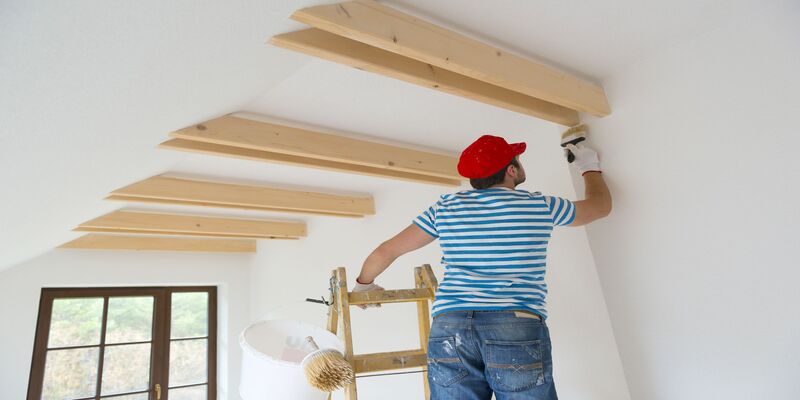
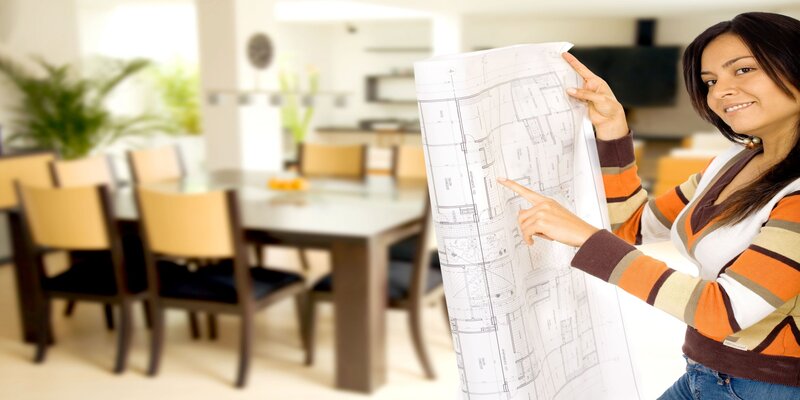
Deciding whether to hire an interior designer or tackle the project yourself can be a tough decision. While DIY can save money, an interior designer can bring expertise and a professional touch to your space. Consider your budget, time, and personal skills before making a decision.
In conclusion, interior design is a powerful tool that can transform a space into a personalized and inviting environment. By understanding the different elements and incorporating them into your space, you can create a functional and aesthetically pleasing home. So, whether you choose to hire a professional or take on the project yourself, remember to have fun and let your personal style shine through.
Tags: interior design, home decor, design trends, interior styling, interior decorating, color psychology, furniture selection, lighting, storage solutions, budget-friendly design, design styles, DIY, hiring an interior designer